Ep. 1 – Let’s Set the Record Straight
Let’s Set the Record Straight
Unlocking opportunities in a world of misinformation for credible, emotionally intelligent marketing.
Health misinformation spreads faster than facts, especially when it comes to women’s bodies. In Episode 1 of Two Uteruses Walk Into a Bar, we sit down with Dr. C., known online as The Vag Doc, to explore why misinformation thrives, how women are searching for answers, and what it takes to build real trust in a digital-first world. Together, we unpack the responsibility — and opportunity — for credible voices to show up clearly, humanly, and without fear.
Why health misinformation spreads so easily online, and why women’s health is especially vulnerable
How women are seeking, filtering, and trusting information in a digital-first world
What builds real credibility with patients and audiences — and what quietly erodes it
Why over-scripted, overly polished messaging fails, even when the intentions are good
How clinicians like Dr. C are reshaping patient dynamics by showing up plainly and authentically
The responsibility credible voices carry — and the opportunity that comes with meeting women where they are
Transcript:
Episode 1 – Cleaned Transcript (Verbatim)
Gabrielle (00:00) Websites, social feeds, and YouTube videos don’t need FDA approval, yet that’s where millions of women are finding their healthcare information.
Karen (00:08) It’s a paradox of our time, incredible access and incredible noise. So how do you navigate that? How do you reach your audience when misinformation can win the algorithm and truth needs to fight for attention?
Gabrielle (00:39) Welcome to the very first episode of Two Uteruses Walk Into a Bar. I’m Gabrielle Svenning.
Karen (00:44) And I’m Karen Flynn. We are so excited to kick this off. This series is our space to share real world insights through smart, honest conversations about women’s health marketing. Each episode, we’ll sit down with strategists, storytellers and leaders shaping how women’s health brands show up and talk openly about what works, what doesn’t and what’s changing.
Gabrielle (01:05) And we’re starting with a big one, misinformation. Social platforms have become the first stop for women looking for information. But with that access comes also the opportunity for confusion, half-truths, and bad advice, which can spread fast, especially in women’s health.
Karen (01:22) That’s the tension today’s marketers are walking into and the opportunity. How can FemTech brands be part of the antidote and use the power of platforms to build credibility, grow their audience and earn trust?
Gabrielle (01:36) And that’s what we’re exploring today with Dr. C, known to millions online as the VagDoc. She understands the power and the risk of influence in healthcare and what it really takes to earn trust when the algorithm is loud and the stakes are high.
Karen (01:52) But first, it is time to introduce our mocktail of the day. Today’s mocktail is the sparkling Carmen. It’s equal parts lemonade and pineapple juice and then topped with Sprite or with ginger ale and garnish it with your choice of, I have an orange, Gabrielle has a lemon. It’s bright and it’s bubbly and it’s impossible to ignore.
Gabrielle (02:11) Just like good conversation. So grab a stool, raise your glass, let’s get into it. Cheers.
Karen (02:22) Let’s get into it, cheers.
Karen (02:24) Our guest today is someone who sees real world consequences of misinformation every single day. Dr. C, also known as The Vag Doc, is a practicing OBGYN and one of the most trusted medical voices educating women online with facts, humor, and absolutely zero nonsense.
Gabrielle (02:43) She’s built a massive following by doing something surprisingly rare, explaining women’s health in a way that’s evidence-based, approachable, and actually understandable. Dr. C, welcome to Two Uteruses Walk Into a Bar. We’re so happy to have you. , cheers. Cheers.
Karen (02:56) Welcome. So glad you’re here. Very excited.
Dr. C, The VagDoc (02:56) Thank you so much for having me. Clink. I’m so happy to be here. Thanks for having me.
Karen (03:05) So before we get into our main discussion, our main focus in the chaos of the internet, we want to start with just talking about how you ended up getting on social coming, one of the most trusted voices cutting through all the noise. At what point did you realize, OK, I need to be part of this conversation, and what made you decide to show up online the way you do?
Dr. C, The VagDoc (03:24) I think it’s as much as me choosing to do this as the social media chose me when it came down to it. I was just kind of throwing things out there I think everybody was, but I spoke what I know and despite putting little videos of my kids or where I was up, I started throwing out women’s information because it’s like 90 % of what my brain thinks about and I’m educated in it and then all of sudden everybody was resonating with it and I started to realize nobody’s talking to women like this. So I realized, okay, maybe they don’t need to see me dance to Taylor Swift. But maybe I just need to kind of re gurgitate some of the conversations I’m having every single day in the four walls of a room with a patient. And that’s where it kind of started and seeded itself and took off. So I would say that they chose me more than I chose this, which is sort of fascinating because I’m playing catch up the whole way.
Gabrielle (04:21) I can see it. How did you choose, I mean, again, we haven’t even gotten to the meat of it, but I’m curious when you had that sort of light bulb moment, did you have a platform that you chose first? was it because you were, more comfortable with one over another?
Dr. C, The VagDoc (04:34) You’re going to laugh. Okay, so I did tick tock. mostly because I figured tick tock out and I could just boom, do the video, do a fast edit and do my thing. And the goal was I said to the kids, we’ll be like, tick tock awesome. And maybe we’ll I don’t know, sell something on tick tock, but there was significant value in the education. So my little joke with them, cause we didn’t tell my husband when I started this was that I think that I just have to lean in to the education. And I subsequently spoke to.
friend of a friend of a friend who is kind of involved in some television spots on the news as a physician and things like that and she was you have something here lean in and lean in hard and I was like oh this out of my my wheelhouse but I leaned in and and here we are so that’s it goes
Gabrielle (05:24) Well That is a great segue, this leaning in, because when we were talking about the prep, we were prepping for this episode, and you talked about, and I’ve heard you say it online, that your goal is to be the health class for now, which I found really interesting because, well, first of all, my health class, I think, pretty much glossed over the OB-GYN stuff. mean, we got the littlest of the little. But I’m curious, in your day-to-day practice, where are the biggest gaps between what women think they know about their bodies and what’s actually happening. And I guess how does that play out online? How does this fuel the misinformation that we’re seeing online?
Dr. C, The VagDoc (06:05) I mean, what we know about our bodies is from health class from when you were in seventh or eighth grade and we chuckled and kind of ignored it, right? Because it was awkward and we were awkward. So we took very little away from it then and it wasn’t a ton that was given to us to begin with anyway. And when women go through their health, whether it’s puberty, they’re learning at the lunchroom table or pregnancy, they’re learning literally visit by visit because nobody’s, reading those long form books anymore or they’re talking to their girlfriend
Dr. C, The VagDoc (06:34) Casually, and then it just kind of keeps going from there There’s there’s gaps in every single developmental part of our female existence I’m not shy I talk about all of the words that people blush at every day So it was very easy to see that once somebody was willing to say those bashful words like medically and clinically people were like I get that or if I use those clinical and and big silly words that people laugh at, all of sudden I could translate it in a way that it didn’t seem so daunting and there is a gap at every single developmental stage from literally birth until death.
Gabrielle (07:04) and I can see too as we’re talking, I’m thinking through that if a woman doesn’t understand or really have a dial on what is happening, may not have the right name, the search that she does online is going to be fraught with error or it may lead her in the wrong place because she doesn’t even really have the full picture. So once you get into an algorithm with misinformation, it almost just starts feeding it back to you. It’s trained.
Karen (07:32) How true.
Dr. C, The VagDoc (07:33) So I think it’s really interesting that there’s that sort of context of the more information can give women about what they’re experiencing, the more educated and savvy they’ll be in the way that they go about looking for information online.
Dr. C, The VagDoc (07:53) I think what’s also interesting is, you’ve maybe seen those mugs at an office somewhere where it says your Google search does not equal my medical degree. , and, and in a lot of ways that’s true, but in a lot of ways that’s changing because if you think about a lot of the search engines, a lot of them are based on, where people place ad money and what’s going to come up. And it’s not always going to hit in the most clinically evidence-based way. , and I’m not saying that social media functions very differently.
Dr. C, The VagDoc (08:29) But I think that once people find somebody that they trust that is then what’s feeding them and kind of Educating them forward. So once they hit a trust lane with somebody that’s where their search is gonna lead them and it’s not just gonna be to one particular person Provider let’s say but it could be providers that that person likes so like me I’m in a little network of physicians that I think are doing a decent job educating so I think that some of the people that follow me are getting siphoned to other, hopefully trustworthy individuals.
Karen (09:02) think that makes sense. I that’s the way real life works, right? Our social networks work, and you would talk to your doctor, and your doctor would refer you to somebody else. A friend would refer you to somebody else. And I think that’s, to me, that’s kind of the upside of social media, the best of what it can do.
Dr. C, The VagDoc (09:05) Yes. But what’s interesting… If you speaking on how people start, I think it’s very much you’ll see different generational moves. So you’ll see that women that are a little bit more seasoned, you know, not so green. They won’t talk to their girlfriends. We were all just taught to suck it up buttercup and until you get to that doctor’s appointment in six months, you’re sitting on your problem, whatever it might be. And then the younger girls are getting all the crap information. from their girlfriends at lunch via, maybe some less trustworthy avenues online and social media that they found. So there’s a big dichotomy in specifically age-specific searching for real valuable content and information.
Karen (10:01) interesting. I get, understand what you’re saying about people’s approach to it or how much they’re willing to sit on something before they go for help or to talk about it with somebody. it’s interesting that their searching is also based on what generation they are or what their experiences were.
Dr. C, The VagDoc (10:05) It’s different. , but I will say, I think talking to a lot of women’s issues like midlife and beyond, I’m impressed by how many women are interacting in that age group with me there. I expect the younger girls and they’re there and they show up. But when I have the 50, 60, 70 year old women chiming in and declaring their age, I’m like, yes, there they are. But they’re the forerunners in searching on certain social medias right now, but they’re bringing their friends in because my mom is on, now her girlfriends are watching me every day.
Dr. C, The VagDoc (10:58) And they’re octogenarians and it’s awesome. I’m like, hey, what do you need to know today?
Karen (11:02) I think that there are a lot of people my age anyway who are there. We might be lurking. We might not be making our voices heard.
Dr. C, The VagDoc (11:08) You’re converting over for sure and getting a voice and not sitting on it as long because my career in the office has been I’ve had this for six months and I’m like, why did you wait six months? And now I have patients that are like, I saw your video and you said I’m supposed to be here. And I’m great. That’s awesome. It is. That’s a good thing.
Karen (11:24) Well, that’s good. It’s working.
Gabrielle (11:26) That’s awesome. That is know there’s a whole cohort of people that are for the over 50 crowd. when you’re making your content too, as soon as it gets into certain kind of age demographics, what’s so interesting is that your content resonates across the whole spectrum. I love it. how many creators can say that they are so relevant to the whole lifespan of a person. It’s…
Dr. C, The VagDoc (11:50) That’s why I chose my field because I have the grandmoms, the moms and the grandkids all at the same visit within an hour. And that’s what makes women’s health super fun because you’re much more bonded as a woman to go through something like that together. but you know, I get, I will talk about, the late life issues like the lichen sclerosis, itchy vaginas, but then I get such traffic on something like, how do you put on a tampon the first time, you know? They really swing the gamut.
Gabrielle (12:19) I wonder, I’m curious, I’m getting a little off our script of questions, but have you been able to figure out globally how far you’re resonating, like reaching? Obviously you are global, but are you finding that different regions of the world are responding more?
Dr. C, The VagDoc (12:35) you know, you get the demographics that are built into the sites. I can see which countries I hit a lot of traffic on. I think English speaking is just, naturally where I’m headed. So a lot of Europe, a lot of Australia, a lot of South Africa and Africa, interestingly. And then, you know, I, instance, I’m going on a trip to Korea in four days because they want me to do outreach with an organic pad company. So I’m flying to Korea on Saturday to go do that.
Karen (13:03) fabulous. Gabrielle (13:07) That’s awesome. Can you talk a little bit about that partnership and without just kind of curious what it looks like in actuality? Because that is, as we talk and through subsequent episodes of this podcast, we’re going to be speaking to marketers of and founders of brands. And one of the topics is how do you get your message out? who do you partner with? I’m just curious how that happened with you.
Dr. C, The VagDoc (13:12) Absolutely. look, I went into this very specific once I realized it was a thing. And my biggest concern was I have a medical license that is my priority. So that comes first. Well, my family, my family, then my medical license. So I said early on, I wouldn’t do anything online that I couldn’t stand by in a room with my partners and peers and say that I did, or anything that would, jeopardize the career that I’ve spent 20 years building.
I don’t take everything that’s offered. And the thing that becomes very evident with creators is very early on you get around. everything. mean, there is a supplement or a hokey pokey medical device, I have been offered it to speak to but I wouldn’t give it to my patients who I would see every year. So I’m not going to recommend it here. So I personally have a certain threshold for who I’m going to partner with and I make sure they have to send me the research. I mean, I’m willing to talk to anybody. I have to like and believe what I’m going to talk about but they sent me research. They sent me their ingredients this particular company which is an organic cotton pad company sent me all their certifications and some of them are really hard to get I looked up the certifications and they’re all legit So I had to do my due diligence to see is this something that is real? Is it reputable? Is it certified? What what information do they have and is it something that in five years? I’m gonna stand next to and say That was not a smart choice, or is it gonna be okay? I like that problem still and that’s important to me. So I probably say no to 97 % of the things that come my way because this is not my career I’m very specific to say that I have a very valid and valuable career to me personally so to put that value in another company I have to know that they believe in it and that they’ve studied and evaluated it to a place that feels authentic and helpful
Karen (15:31) that aligns so well with the whole reason why you’re even on social media, which was having these important conversations and which actually segs into the topic for today. So we can, we can make us all wrap up about misinformation. I mean, we were talking about that, and one of the things that sparked this whole project for us was reading about how studies proving that misinformation was traveling faster than truth, especially women’s health. From your vantage point as a doctor and someone who is listening and talking, what kinds of mis or half truths tend to take off the quickest for women’s health? If you were able to, can you quick, And why do you think they get latched onto so easily?
Dr. C, The VagDoc (15:57) Women’s health is tough. it is. I think it’s a lot of whisper down the lane. I mean, obstetrics is a landmine of misinformation and, like that old penchant, if you do something good, one person will tell you their story. But if something bad happens, they’re going to tell 10. And I think that that that sort of also goes with the value of what you’re telling. And I think that the reason the misinformation is easier to chew is because it’s delivered in a way that translates in a more understandable way. And it sounds a little bit more maybe interesting or fascinating. And therefore somebody can feel something about that, latch onto it and know how to communicate it forward. Whereas sometimes the evidence-based stuff is a little bit denser. It is. And because of that density, it’s not always the interesting, sexy story to tell but there’s value in it. what I think is that where we mess up and let misinformation take off is because it’s just a more easily translated tale. Whereas the authentic stuff. you have to really think about how you’re gonna communicate it in a way that everybody understands. And if you can have a 10 year old understand it at the end, then you probably hit the sweet spot where the misinformation is that somebody is going to navigate it forward in a positive way.
Karen (17:38) Very well said. I got that. Okay.
Gabrielle (17:39) It’s so interesting, too, as we talk about what half truths and things and the prevalence and how fast they spread. makes me think of wives tales like the just going back in the history of storytelling and how we share things and pass down from one woman to another, into their family. And it’s like a game of telephone. And yes, something like, putting garlic up your vagina, you know, may have sounded legit 60 years ago or something. And I think that we tend to, trust, right? We trust the people that are giving us advice, particularly if it’s family and friends and the world that world, because it’s been hush-hush, right? And quiet, it’s like misinformation feeds in secrecy. And…
Dr. C, The VagDoc (18:12) Yes. , I think that I always think about obstetrics and gynecology, like all of our lady parts are on the inside basically, except for, our chest. And therefore, it’s very easy to misunderstand because a woman can’t see or feel or examine what’s going on herself. And we’re told what’s happening to us without totally understanding the inner workings of it, because we are complicated. And that’s a good thing, but we are super complicated. And we’ve been paternalistically told what’s going on for so long and what we have to do. And that’s hard to swallow when we want to be fierce independent women in the 2025 plus years. So I think that what we’ve lost in that timeframe is that we really have to educate better, but educate somebody where they are. And that’s different for every single human being.
Gabrielle (19:15) That actually is a really good, and for the next question I have, which is, when you think about the social media platforms that are out there, and I know you’re on TikTok and Instagram, those are your chosen platforms, correct? Regardless, they reward relatability, speed, and storytelling, which are three things that the healthcare community is not necessarily… rooted around or they don’t hold those tenants. So what do they need to understand about how women are consuming information now? What do they just need to get over or really embody in order to make sure that their messages are heard?
Dr. C, The VagDoc (19:39) So I think that all relationships are trust and somebody that chooses to follow somebody like me, they’re gonna see me a handful of times or more. So they’re gonna have a basis of, okay, she said something, I believe it. She said something, I looked at it, it’s legit. And that trust is the basis for all of it. But how do we build trust? quickly, okay? You know, I walk into a room with a patient and I have to figure out how to gain trust to hear so that they hear me and hopefully get the best care that they can get in their visit, which is obviously very short in today’s modern medical world. And it’s not so different here. I’m presenting myself, but the benefit is that I’m cycling over and over again. So I think I almost gain more trust in a social media capacity than you can in the office sometimes, because I might not see somebody for a year in the office. Or if they’re pregnant, I might see them back to back for a few months. And that helps a little bit with establishing trust. But on social media, if you can be a trustworthy kind of companion in the story of what your medical question That’s a good thing and I keep coming up and showing myself to you to be trustworthy that you can take what I’m saying, look it up and it’s real or talked about it with your friends and they’re like, I’ve gone through what she’s talking about too. That’s it. It’s establishing the relationship. that you trust somebody. And I think that when I think about how things were presented to me, as a med student, we were supposed to go in very formal. Hello, Mr. So-and-so, I’m Dr. So- I never did that. It was never my style, which is why maybe I do this as I do here. And it’s worked for me and if somebody wants somebody very formal, they’re gonna see somebody else and that’s totally fine. I mean, I call myself the vag doc. So you kind of know what you’re getting from beat number one. But I think that it’s an interesting relationship that I never really envisioned. But I think that the healthcare physicians and nurse practitioners and so forth that are doing good work. They are the ones that you are seeing create trust in the kind of relationship you would want to have at lunch with somebody. Which, lunch for me is a dangerous zone because my girlfriends come with their questions and that’s fine. And that’s not so different than what I’m doing here. there’s nothing off topic and nothing you have to hold back. And that is a little freeing. you have a little cloak in front of you so you can ask your questions and you can listen from afar. But they’re seeing a lot of me because I think that’s what’s happening.
Dr. C, The VagDoc (22:20) So, good for them and I guess good for the education getting out there that we’re building a foundation of believability and I’m not a paid actor. I’m not, somebody that’s giving a unique one-person testimonial. I’m the one that sees all these women with similar things and can speak to a large cohort in my day-to-day and then bring it to the masses with experience.
Karen (22:45) this is something I think everybody can keep in mind, you’re building trust, but you’re also building by popping up a lot, as you said, and I was just thinking, as you were talking, I was like, that’s very true, because you really don’t get to see, for instance, your doctor as often as you’d like if you like your doctor. But the more you see somebody that you trust on social media, the more that you feel like you really get to know them. You become more familiar, more comfortable, more trusting, more willing to listen to what that person is saying as well. And I think that that’s a really powerful tool. I it’s a really powerful extension of your brick and mortar practice, so to speak, too, where you’re reaching.
Dr. C, The VagDoc (23:09) You know, I have incredible partners and when I was a very young baby doc, one person said to me, if you have trust, you’ll never have a problem because even when the unexpected shows up, you have the relationship that you can navigate it with that person together. And that’s how I’ve dealt with my patients. You know, it’s not a direct one-to-one here, but I think that I’ve inadvertently created a relationship between me and whoever’s watching me, which is a good thing. And again, I stand by the things that I say, and therefore I think that they see at least what I hope is the authentic, information behind it.
Karen (23:52) Sure. would think a lot of the content for you that goes viral comes straight from patient encounters. I think you’ve talked about this. Moments where you realize wow, no one ever taught them this, So two questions. One, I don’t know if you have an anecdote that you could share and if you don’t, you can’t, totally fine. Also, what kinds of misunderstandings or questions are you seeing often enough that you think people who are femtech marketers and founders really need to know about stuff that you’re just seeing regularly? Enough. Regularly enough.
Dr. C, The VagDoc (24:36) okay. I could give you so many from anything from somebody saying to me why does my underwear turn white when I wear it often down there and it has to do with a pH thing down below to women who think that every single pelvic exam equals a pap smear but that’s not necessarily true and these are just little conversations not even big ones like the little nuance that I’m like you know it’s something I wouldn’t even think twice about but they ask me which means other people are thinking And then as far as I will tell you, there is so much crazy misinformation and hysteria around female medical procedures, especially today, because women are expected to tolerate a lot of discomfort. And we are supposed to just handle it and do things without a lot of care and anesthetic or analgesia that we would not expect others to go through in other types of procedures. So a lot of people think that we OBGYNs who were trained that way, mind you, are barbaric and we don’t care for the woman enough. We just want to do the procedure. And there’s a lot of really important procedures that we do. And I think every day we’re getting better and better at communicating how we’re going to do them with their care and comfort in mind as opposed to not preparing somebody for a procedure and just doing it you know and that’s everything from doing a biopsy in the office to deciding if you’re going to do a hysteroscope in the operating room and what that means personally to somebody who’s going to go through the experience.
Because remember, medicine is not just the diagnosis and the investigation. People go through an experience and we always hear people chit chat now about their medical trauma. And that’s a lot of hysteria that’s chit-chatted on and misconstrued and really scares the something out of people. So the goal is to go through these things and try to reduce the concern of the trauma and hopefully alleviate it because That’s what keeps a lot of people not doing things that are either medically necessary or would be really, really good for them is that they’re terrified that they’re going to have some sort of crazy trauma just like their friend did. And again, all of our stuff is on the inside and we’ve just had to handle it for so long, but we’re doing things differently every day and the field is much more female heavy. No offense to the guys out there, but we have different perspectives going into each and everything that we’re doing. but people are very, scared of procedures and pain thresholds and that we’re chopping things off and doing barbaric things without a lot of care and consideration to what your experience is when you leave.
Gabrielle (27:21) interesting too. you’re bringing up is there’s this gap even between what the health community would think people would want to talk about or do want to talk about and what the patients really want to talk about because you’re coming in, I’m speaking generally, but the field is coming in to treat, we need to fix and there’s a diagnosis and then a protocol. So much that goes in between all of that from explaining what the diagnosis is to the procedure to why this treatment over another treatment. There’s so many questions that come out and I think that there’s probably an assumption given the amount of time that appointments are and just…
Gabrielle (28:05) And know, as a professional, coming in, seeing a problem, it would be very easy, I would think, for a lot of things to go unsaid that are super important.
Dr. C, The VagDoc (28:14) You know, one of the areas that I think is the trickiest, I’ll give you a, instance, we do pap smears, we check for HPV, we get a lot of abnormal pap, because most women, either they themselves have had an abnormal pap, or reach your arm one direction and that person’s had an abnormal pap, and they’ve had to go through procedures for it, and everybody thinks they have cervical cancer. Everybody thinks that we’re cutting parts of them off.
And it’s very hard to undo the emotional response they have to this information in a timely fashion that makes them convinced that they’re not dying of something horrible. Because, you I have to remember that just like trust is an emotion, that it breeds an emotion, a lot of the things that I tell a patient make them feel something. And that feeling often supersedes what is factually going on. And they’re not wrong. They’re just scared because this is not their language. This is not their wheelhouse. So you have to accept the fact that, yes, I want to give you fact, but I have to understand that you’re having an emotional response in that time frame that I have to navigate with. And you’ve probably talked to somebody that’s had a cancer diagnosis. And I always say, you got to come with a friend.
Dr. C, The VagDoc (29:27) You hear the word cancer and you stop and you hear nothing else. And then I’m like, here’s my number because you’re probably going to have no idea what I just said. Or I do the whole conversation a second time because I know they heard nothing. And it’s, it’s, and that’s the type of navigating that has to be done. And it still has to be done quickly because you know, it’s unbelievable.
Gabrielle (29:49) I was going say almost real time, actually.
Karen (29:50) So how do you address that? That’s a really good point because everything is gonna have two sides to it in this particular business, in this field, in this area. You’ve got the clinical and the medical and you’re gonna absolutely have the emotional that goes along with it and it’s all personal. Everybody’s gonna bring their own experiences as well to it. So what do you address first? do you do it, you know, try to do it simultaneously? Do you set it up so that people calm down before they hear the information? what do you, have you learned?
Dr. C, The VagDoc (30:21) , people don’t want to wait for the actual fact. if you what I’ll tell you is again, once upon a time, I was trained if I got a cancer diagnosis on a Friday, tell them on a Monday, let them have one more good weekend, who was I to decide that they needed three extra days for what is their new reality, right? But that’s what I was taught a long time ago, but I don’t do that anymore. And you have to realize that medical information gets released to patients quickly. So they get this kind of stuff. And what I’ll say is I walk in with whatever news is there and I just factually tell them you have endometrial cancer okay it is in this area and this is what we have found and then I pause and I see the eyes and you have to read the room in the face and you have to know what you’re going in with when I communicate with people sometimes there’s an educational gap sometimes there’s a language barrier Sometimes I just have total emotional breakdowns and each one you got to kind of take a moment and decide what’s the best way to navigate around this and some people are not prepared to hear everything right up front and then I go through I say do you want to hear these steps? Are we scheduling you to come back? are we calling anybody and sometimes the answer is no, no, no, I’m good and then I’m talking to them two hours later on the phone from the first stop, which is okay. I mean, who am I to say that they shouldn’t be freaking out when they hear that word? It’s , like it’s like everything goes white and they hear nothing. But I respect that fact. I think that I think I had one of the things that I that I wouldn’t say I pride myself in it. But when I go into a room, my goal is communicate what has to be said in a way that they can then take it and exactly communicate it forward.
Dr. C, The VagDoc (32:07) Okay, and again, that’s different for everybody. Like my father went through pancreatic stuff last year. I’m a board certified medical doctor and the pancreas is not my jam. Okay, but I did not need to be spoken to like I was a PhD in pancreas. I needed her to bring it down to that’s outside of my lane. Yes, I know more than the average person, but I’m also emotionally responding to what you’re telling me about my dad, right? So I can’t be talked to as an expert, even though I’m an equal expert professionally, it’s not my wheelhouse. You have to bring it down so that I can chew it up and then communicate it to my mother and my sisters and all that other stuff. Whereas when we’re talking about what I communicate for it, I have to look in the room and say, okay, can you take what I just said and tell it to all of the family members that are going to ask you 15 questions in an effective way that makes sense to you and to them? And that’s just a style that I have to go with so that I know that they’re leaving with the value of the information.
Karen (33:08) You’re a natural teacher. That’s all of this is exactly how we, , But that’s exactly, you want people to be able to say it back to you before they leave. so let’s pull this now over to your social media role, right? And, you’re very clear that you’re evidence-based, but you’re not woo-woo, I think you’ve said on some, I’ve seen you say. So how do you personally walk that line between, being credible,
Dr. C, The VagDoc (33:11) I had two teachers for parents, but thank you.
Karen (33:34) giving good guidance, giving people this information in capsules that they can take and use, but also being casual and funneling and accessible in a way that is building that trust and that relationship with your audience. How do you do that?
Dr. C, The VagDoc (33:50) So I think that what I have to realize is I can’t combat everything on social media. Nobody can. It’s a bigger moving target that anybody can really handle. But I see a lot of themes in the comments that come through to me and the questions that come through to me. So I try to target on those things. I mean, I have a really good basis of education and experience to speak from. I also know, I don’t know everything, but I also know how to find information that’s valuable. So I go back to the literature and the research via, certain very specific search engines that only pull from research. I’ve kind of settled a long time ago with up-to-date, but I use a lot of open evidence now because it’s nice and fun and on my phone and it pulls the research articles if I want to navigate back and forth to them so that even if I’m hitting up a topic, I make sure that I’m encompassing not just what I remember, because my memory is not perfect but that I hit A, B, C, and D and maybe I would have left D out if I didn’t go back to the original content and information that is there. So I’m not I’m not Google searching sorry but I am going to the literature that exists in those topics and there’s a lot of feedback that people will post their woo-woo in my threads and I have to just take a deep breath and I don’t respond in the beginning I was trying to delete all the horrendous comments that were totally inaccurate. And I’ve started to respond to them more and just be like, look, you can look this up, this is what’s real. And you also have to realize there’s bots out there. And these bots are a real deal part of technology. And there’s nothing like a bot to respond to a herpes post because man they just come out of the woodwork and they all look the same they have a certain look and appearance but you can’t hit up a thousand bots on one on one post so you just keep going and you put out the value in what i say. And if I see something in the comments and the responses that people are gravitating to, and it seems really off, I will kind of poke my head in and be like, well, you could also consider looking here for a different thought process. But I stay in a lane that is inclusive. I’m not gonna rip anybody a new one. Sorry if that’s inappropriate to say, okay? Because I want people coming back for consistent education over a fight, you know? I’m not here to prove that. Okay, I’m here to keep producing trustworthy information.
Gabrielle (36:19) back to language for a minute because as we’ve talked so far in this conversation, we’ve acknowledged that you are talking to a broad scope of women or a range of women, all ages. And you’ve said that and you’ve sort of alluded to the fact that even as a doctor yourself, when you’re receiving information that perhaps is out of your field, you need it maybe delivered in a little, know, don’t speak to me as a pancreatic doctor, a pancreatic doctor, that’s not me. Talk to me in eighth grade language. So mentioned that you’ve talked, you have three ways of talking about things, where you generally have a structure of like formal, eighth grade version, and then maybe a fourth grade version. What do they need to know, the brands themselves, about the language that you use? where does that intersection come between what they want to say and all of the things that they’re supposed to say, the caveats, and then balancing that with the information? how do you advise potential brands and partners about that and how they approach the language?
Dr. C, The VagDoc (37:41) So I think that there’s nothing like an analogy to get somebody on the train of understanding. And when I speak with somebody, if I see that it looks like that they just did not get what I’m saying, you got to restart, start over, start from the beginning and bring it in a different angle. we all talk about learners, some people are visual, some people are auditory. I really find that an analogy kind of hits a lot of it because analogies are often so visual when you hear them, because they’re comparing them to something very much understand in day-to-day and medical is not day-to-day. So if you can verbally communicate an analogy in what’s going on, you do a lot better. Like when I talk about abnormal bleeding, I tell them look, your inside of your uterus is like a weed fest and it’s not cleaning itself out. Nobody has been in there to weed whack for a while and now we’re at risk of those weeds turning into something like a disaster. Like bamboo shoots that are growing, you know, and they’re not native. We’re gonna take over so, something silly like that So, people understand things that they interact with every day, but that’s not they don’t understand their body that way And that I think really overlaps nicely So if you can make it and you don’t see communication in a medical format in an analogy I don’t see it from the reps that come in. It’s not present in the literature It’s not present on the commercials that you see on television. I find that they’re very very formal. And then once they go and they have to have their disclaimers, I’m not knocking it, but once they go into disclaimer land, it is way wordy and way confusing. And I understand that there’s regulations that are part of that. So you have to hit the message fast and in a way that resonates. And again, it’s an analogy. I can give you an analogy on just about every part of women’s body, the art of the analogy, that’s really, that’s very important and I think it’s probably undervalued for how impactful it can be because it immediately takes something as you just said perfectly familiar, I mean. , people will, you’re right. People ask me why do I have dense breasts and have to do all this extra stuff? I’m like, some people’s breasts are like a clear glass window and you can see everything through them. And some people, it’s like a cloud. And a fog start to roll in and you can’t see but all that stuff is still behind the cloud and because I can’t see through the cloud I have to do all these other pictures and they’re like density means I have like a cloudy breast I’m like exactly and is that really what it means no it’s but it’s the way that the pictures pick it up and if you look up these things now they understand it’s not that my breast feels hard it’s that the picture has a haze over it and they’re like, Now I get it, they’re not going to see my problem unless I do this other thing that my doctor told me to do. You’re digesting now.
Karen (40:34) I get, well, I get breast necessity, but I love the analogy thing. And it’s, I think that’s potentially always a challenge for brands to think about because they are very careful. But it is perfect for teaching.
Dr. C, The VagDoc (40:39) That’s the translation. It is, if you’re gonna do this job well, you are going to be an artist in translation and I don’t speak a lot of languages, okay? But I know how to speak visually enough and in ways that people can reference other experiences to then connect what they have to understand. And that’s that’s the tricky thing is are you a good translator for the stuff that like if I’m speaking to my partner It sounds like mumbo-jumbo like somebody’s reading the dictionary. He understands what I’m saying I understand it, but the poor person who’s living it is left in the lurch
Karen (41:28) of companies want to be partnering with creators like yourselves, not sure how to do responsibly. so we talked before about how what you you’re considering partnering with a brand, what should brands, in your opinion, from your perspective, what should brands be doing when they’re looking to partner with the health influencer.
Dr. C, The VagDoc (41:52) I think that they should look for somebody who is consistent and it doesn’t have to be on one topic. But if you see that there’s somebody that’s consistently giving valid information, consistently trying to put good education out there, I feel a certain way when I see somebody hocking something every five minutes, because maybe that is their career now. And look, influencers, this can be their career. It’s a beautiful way. And it is truly the future of connecting and educating but there’s certain times that you see certain creators and you’re like why did you make that decision because your peers are looking that maybe that wasn’t the most valid decision for the patients that you would be treating otherwise so if you don’t want to be in the company of who they are also branding themselves with, then you want to navigate in a different direction. And I don’t know if I had mentioned this with you, I work with not a management group, but they kind of run things through with me and they take everything that I get, I give it to them to look at because they run it through an ethics board. and the Sunshine Act and everything else because I have to legit be again aware that I told you protecting my family first but my license second and again that’s hugely important to me so I like that that’s how this particular group works on the side for me to make sure that it hits that. Now I’ll tell you for a very long time and I don’t take a lot but nothing was coming in and there was a few different reasons that I think nobody wanted to connect with me. One is that I refer to myself as The Vag Doc and I’m like what people are connecting with the name it’s what I do we’re here to talk about weird things so if they can’t navigate that this is the way that we are communicating today and we’re all comfortable with it that’s okay and then I personally haven’t blasted my own credentials and name out there yet because again I go back to number one I was kind of separating my family from all of this a little bit but that’s my personal choice. There are a multitude of incredible physicians and providers that are putting their names and credentials next to everything. And I totally respect them for that. I just haven’t made that personal decision yet. And maybe it makes my pool a little bit smaller, but I’m comfortable. Because again, I’m here to educate and everything has to align with what my core values are.
Gabrielle (44:10) I think that’s really important too about sort of the onus on the brand when, I mean, you’re very transparent. If they look at your content, they’re gonna see your tone, they’re gonna see your approach. I think that it’s up to them to decide whether they can work with that because clearly you’ve got the following. They don’t. So there’s a bit ceding a bit of control, a strength of the brands themselves because they have so much to protect. So do you have any advice for brands and the marketers behind them? about how they approach creators like you or how they consider the opportunities. What sort of advice would you give them to do so, to go about doing so?
Dr. C, The VagDoc (44:57) I’ve navigated this in a few different ways because again, you look at my page, I’m very casual and that’s my intent because again, it’s my communication style and it’s what’s effective. Sometimes I’m in my pajamas, sometimes I’m post call in my scrubs. So you’re getting me in a way that a lot of people see me, which is not put together in my work clothes at the end of the day, laying on the couch, okay? When I go into patient rooms, I don’t sit in the chair, I jump up on the counter and I’m sitting there and that’s again, that’s just my stuff. So if you’re gonna if you’re gonna look at somebody you have to understand their communication style because you can look at a lot of marketing that’s done in the medical lane and it looks very similar, right? It all has a stylistic look right the same animations the same sort of voice in the background. It’s no fault to the people that are making it. That’s what they’re being told to make. I’ve had people come and really want to regulate how I give the message and I, how to put my head in the right space and say, you came to me because I’m effective at messaging. So we’re going to have to sort of come back to the fact that I want to hit your points, but I have to translate it for you because you’re not translating it effectively. And that’s my style.
And that’s okay, but I’ve had some people want very intense control over how many words are popping up and all of the things and, look, I’m not a producer and an editor, I’m me. And a lot of the formatting of these things are also on the onus of the creator, right? So I’m not paying an editor, you’re seeing a shop of one. Which is amazing and I’m learning so much, but it’s no Steven Spielberg here. So, I don’t want it to look like that. My goal is to still communicate effectively and people are connecting with my words. they don’t really care if I have makeup or hair or what color scrubs I wear. it’s, the translation and that’s where I think that control has to let go a little bit. if you’re looking at a certain voice, you should expect to get something that sounds like that voice.
Gabrielle (47:09) you’re buying the voice, so to speak, when I say buying, I mean, I when they come to you, this is your brand. so I think that that’s very interesting, too. there’s going to be some interesting dynamics as this grows. And you’ll see in creators that are following a hardcore script. can tell because they look one way here and another way there. And then you’re like, they were really scripted. I did a package at some point and they kept adding language and language and language. And once they added all this language, they were like, it looks like an ad. And I was like, yes, it does. I’m glad we agree because I think it looks like. ou came for one thing and you got all the little edits that you wanted, but it’s a very different look. And I don’t think it hits as hard with the people that you want to connect with.
Karen (47:57) So using the teacher language a little bit. What do you grade your experience? I’m just, this is completely off script, but your experience doing this, how would you grade it from your point of view as far as your personal experience, enjoyment, whatever, and how well you think it’s been effective countering misinformation and spreading good information around.
Dr. C, The VagDoc (48:23) I’m endlessly impressed by the fact that people want to listen to me. And that, look, I told you I don’t blast my credentials everywhere, but the trust is there that they trust in what I’m saying, regardless of the fact that I haven’t put my actual legit credentials up, which are real. And I communicated them to you the first time that we connected, because I was like, look, this is really me.
Dr. C, The VagDoc (48:45) navigating that was a little scary in the beginning on how I wanted to handle it. I had to kind of grow a little bit of a skin because then you have some people that write some nice things, some not nice things, and you just got to kind of take that, like the good comes with the bad. But I personally, I like teaching people and I like that they’re getting value out of it that’s helpful to them. And they’re not my patients coming in, although a lot of my patients have found me. They’re going and they’re advocating for themselves, which is the best thing I could ask, is that they took something, they advocated, and then they write back, I am better today than I was before. And that’s amazing this whole thing. But there’s a learning curve for all of us, the people that are watching me, how I communicate with them, what comes of it. I enjoy it. I took like a swerve left and I don’t know how I got here, but nonetheless, it feels nice to be putting something real and I think helpful out there. And that’s really where this all stemmed from. mean, I never thought I would be talking to anybody in marketing because, I got a big goose egg worth of education in that. And I get to really have new experiences that I think help me help others. And that’s really the punchline. But what’s really been great for the people that I talk to. doing this, I have had to do deep dives into so much more medicine since I started because again, I’m representing myself in a way that’s copy and pasted outside of my control. So I don’t want to say something that I feel uncomfortable to stand next to in five years. So I am doing additional checks and education and reading and learning because I may already know all this stuff, but I want to make sure that if I’m going to say it, I’m saying it truthfully and in its entirety. Karen (50:26) And you’re becoming pretty recognizable now. You’ve got a good following. have your colleagues responded? Have they like, way to go, or oh, I saw you again. Oh, they know her. They know her, though.
Dr. C, The VagDoc (50:44) Well, the nurses found me first and the nurses that there’s no filter they come to me my nurses that I work with they’re like You know like and we and I’m like fine then what do you want me to talk about next if you’re gonna be watching I might as well hit something up. That’s interesting I remember the first time one of the the NICU doctors I saw that she friended me and I was like, it’s out, you know, here we go cuz I didn’t tell anybody I didn’t tell a single soul. I told my senior partner out of respect and I told my health system because I wanted everything on the level, right? But otherwise than that, I wasn’t self promoting here, I was just here. So they all know, they think it’s neat. Some people will ask me not a thing, it’s normal, we’ve never talked about it, like don’t ask, don’t tell. And some people are like, it’s very, very cool. I find that I get more community in this from docs that I don’t know, like other OBGYNs that wanna reach out and do group posts together or lives or whatever and that’s super fun because I’m doing that with doctors all over the place. it’s kind of like this unique little niche. co-workers will say some things, the nurses love it. My patients will be like, girl, I saw you. I was like, I was in my other room and I heard your voice and I was like, she’s not in my house. And then it’s funny because they’re like, My sister was watching you and then I realized that’s my doctor and that’s really it’s just funny. You know, these are funny things and my daughter and I were in a makeup store and somebody went up to her and they were my daughter’s 13. Can you imagine she knows what I’m doing here? And somebody went up to her and was like is your mom the vag doc?
Karen (52:00) That’s very cool.
Gabrielle (52:08) That’s so, you’re famous, you’re getting famous.
Dr. C, The VagDoc (52:23) Which I think is hysterical. my dad knows more women’s health as an almost 80 year old man than he ever knew about any health in his entire life. So it’s just, it’s great, know, he laughs, he learns and he’s like, I don’t know how you talk about that. I’m like, this is what I do every day in an office. It’s just, I did it with a phone in front of me.
Karen (52:23) good, I was waiting for you to say she’s just so embarrassed. that’s so great.
Gabrielle (52:24) that’s great. , I was waiting for you to say that too. really. I’ll be really curious to see how long it takes before you’re asked to speak on a bigger platform at meetings and congresses about this because I think more professionals and physicians and doctors and nurses and PT are kind of arriving at the same conclusions that you are, that there is a medium and a need, a desire, an audience for this kind of information and these types of engagements for those who are interested in building their own brands, and I’m not saying that as a narcissistic angle but building their own brands because they have committed like you have you love women you love ob-gyn and and All of the science and you are committed to sharing it. That’s what you want. You want to spread information and combat misinformation I put my money on it when we look back in history, these first couple of years though will be really interesting because you are one of the first to come out there in this specifically women’s health. I know there are others like that, but just talking to you and I think that you really are creating a new model for patient dynamics.
Dr. C, The VagDoc (53:35) No. You know what, I hope that more healthcare enters this because there’s a lot of areas I would like more information in. I have lots of friends in lots of fields, but they’re in the offices busy, sometimes I’m like, I don’t want to bother them, and I feel the same way as a friend of a physician, as a lot of people feel as patients of physicians. So I hope a lot more people, jump in and I really will say that the creators that I am following, I am enjoying so much and I feel this kinship and this friendship at a distance which is lovely and I think that even though we have communicated a little bit in this realm those people and I I think that that’s how these other people feel like they’ve communicated with me in some way and maybe I’ve responded to them and maybe we’ve had a little chit chat in the in the comments and it feels real and valid and like somebody’s being heard which is always a beautiful thing and then it just goes back to building more and more trust and just keeping it authentically on the level and hopefully practicing good medicine which is really confusing in the world that we live in.
Gabrielle (55:02) Well, Dr. C, thank you so much for your willingness to show up, speak plainly, and raise the bar for how women get their health information and how they share it. You are a wonderful, just wonderful person. I really enjoyed meeting you and talking to you about all of this.
Dr. C, The VagDoc (55:18) Thank you. Well, I appreciate
Karen (55:18) , Thanks so much.
Dr. C, The VagDoc (55:20) you guys having me. This was a lot of fun talking about how I talk as opposed to me doing a bunch of research coming in and talking about vaginas all day. So this was wonderful and anything that forwards women’s health in the conversation and what helps women. So all good.
Gabrielle (55:24) , Well, thank you.
Karen (55:39) We really appreciate you making the time. Thanks again. Take care.
Dr. C, The VagDoc (55:42) Thank you.
FEATURING:
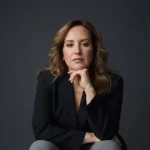
"Dr. C."
The Vag Doc

Gabrielle Svenning
VP, Account Director (co-host)

Karen Flynn
Content Partner (co-host)